When a hailstorm leaves your roof pitted, cracked, or missing shingles, the quickest path to a secure home is a hail damage roof replacement that restores structural integrity and prevents future leaks. Homeowners often search for this solution after a severe hail event because delayed repairs can lead to water intrusion, mold growth, and costly insurance disputes. Understanding the full scope of the replacement process—from accurate damage assessment to selecting storm‑resistant materials—ensures you protect your investment while complying with insurance requirements. For detailed guidance on handling storm‑related repairs, see our storm damage roof repair guide.
Why Hail Damage Demands Immediate Roof Replacement
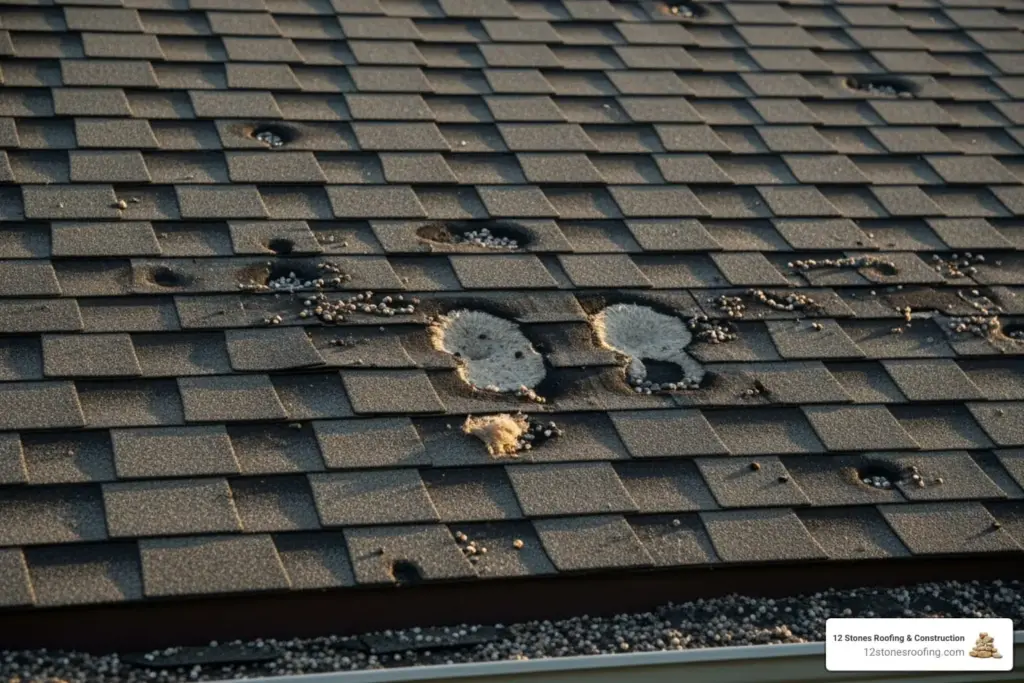
Hail impacts can be deceptively subtle. While large hailstones visibly dent metal panels, smaller granules may only bruise asphalt shingles, creating micro‑fractures that weaken the roofing membrane. Within weeks, these weakened spots can let moisture seep in, compromising insulation and the underlying decking. According to the National Weather Service (2025), hail events have increased by 12 % over the past decade, making proactive roof replacement a critical risk‑mitigation step for homeowners in hail‑prone regions.
Key signs that repair won’t suffice
- Multiple missing or cracked shingles across several roof planes.
- Visible dents on metal flashing, gutters, or vent caps.
- Granule loss evident on shingles—often seen as a chalky residue on the roof surface or in gutters.
- Water stains on interior ceilings appearing shortly after the storm.
- Reduced R‑value of insulation due to moisture saturation.
If more than three of these indicators appear, a full roof replacement is usually more cost‑effective than patch‑up repairs.
Table of Contents
- Why Hail Damage Demands Immediate Roof Replacement
- Key signs that repair won’t suffice
- Assessing the Scope of Damage
- Financing Your Hail Damage Roof Replacement
- Insurance claim tips
- Choosing the Right Materials for Long‑Term Resilience
- 1. Impact‑Rated Asphalt Shingles
- 2. Metal Roofing
- 3. Synthetic Slate and Tile
- 4. Green Roof Systems
- Step‑by‑Step Guide to a Successful Hail Damage Roof Replacement
- Common Mistakes Homeowners Make
- Real‑World Case Study: A Mid‑Size Suburban Home
- FAQ: Hail Damage Roof Replacement
- What is the typical timeline from damage assessment to completed replacement?
- Can I replace only the damaged sections instead of the whole roof?
- How does hail damage affect my home’s resale value?
- Are there tax incentives for installing hail‑resistant roofing?
- Do I need to replace my siding when I replace the roof?
- Conclusion: Turning a Hailstorm into an Opportunity
Assessing the Scope of Damage
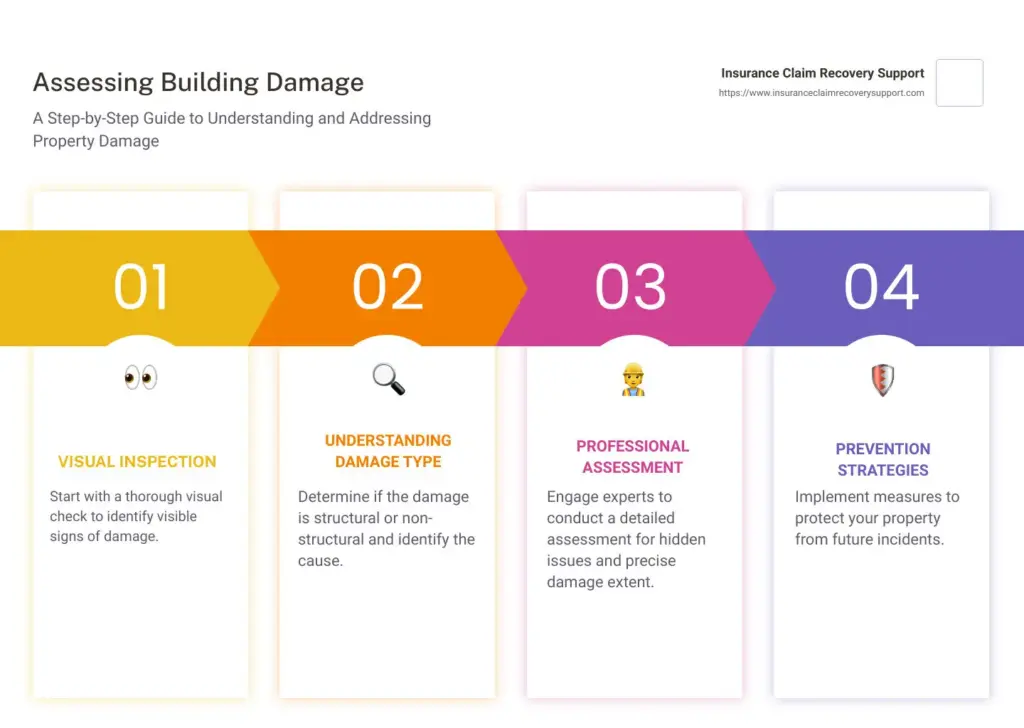
The first step is a professional inspection. Certified roof assessors use drones, infrared thermography, and moisture meters to locate hidden damage. They produce a written report that quantifies:
- Number of affected shingles or panels.
- Extent of deck deterioration.
- Potential impact on adjoining siding and eaves.
- Estimated roof replacement cost based on current material prices.
These reports are essential when filing an insurance claim for hail damage, as insurers like State Farm and Allstate require detailed documentation to approve a full payout.
Financing Your Hail Damage Roof Replacement
Even with insurance coverage, out‑of‑pocket expenses can arise—deductibles, upgraded material choices, or code‑required upgrades. The Roof and Siding Financing 2026 article outlines several smart financing strategies, such as low‑interest home equity lines of credit (HELOCs), 0 % introductory credit‑card offers, and manufacturer‑backed rebates for energy‑efficient products.
Insurance claim tips
- Submit the assessor’s report within 30 days of the hail event.
- Document damage with high‑resolution photos from multiple angles.
- Request a written estimate from at least two reputable contractors.
- Review your policy’s “acts of God” clause for specific hail coverage limits.
Choosing the Right Materials for Long‑Term Resilience
Modern roofing technologies can turn a hail‑damaged home into a storm‑proof haven. Below are the top material categories evaluated for durability, energy efficiency, and ROI in 2026.
1. Impact‑Rated Asphalt Shingles
Class‑4 impact‑rated shingles, rated by UL 2218, can withstand hail up to 2 inches in diameter without cracking. Although they cost 15‑20 % more than standard shingles, their lifespan (20‑30 years) and lower insurance premiums often offset the initial expense.
2. Metal Roofing
Metal panels—especially standing‑wave steel or aluminum—offer unparalleled hail resistance. The Metal Roofing and Siding 2026 guide notes that metal roofs can reduce cooling loads by up to 30 % and qualify for federal tax credits when paired with cool‑roof coatings. Their reflective surface also contributes to lower utility bills.
3. Synthetic Slate and Tile
Engineered composite slate mimics the aesthetic of natural stone while providing superior impact resistance. These panels are 40‑50 % lighter than real slate, easing structural load concerns and simplifying installation.
4. Green Roof Systems
Living roofs combine waterproof membranes with vegetation, offering natural insulation and storm‑water management. While upfront costs are higher, urban municipalities increasingly provide rebates for green roofs, making them a viable long‑term investment.
Step‑by‑Step Guide to a Successful Hail Damage Roof Replacement
- Initial Assessment: Hire a certified inspector to document damage and obtain a written report.
- Insurance Coordination: Submit the report, photos, and multiple contractor estimates to your insurer.
- Material Selection: Choose a hail‑resistant product that aligns with your budget, aesthetic, and energy goals.
- Contractor Vetting: Use criteria from Top 7 Strategies to Find the Best Roofing and Siding Contractors Near Me in 2026—license verification, past project portfolio, and written warranty.
- Permitting & Code Compliance: Obtain local building permits; some jurisdictions require upgraded underlayment after hail damage.
- Removal & Disposal: Professional crews safely remove damaged material, adhering to EPA waste‑disposal regulations.
- Installation: Follow manufacturer‑specified nailing patterns and flashing details to ensure wind uplift resistance.
- Final Inspection: Request a third‑party inspection to verify workmanship and confirm compliance with the insurance adjuster’s expectations.
- Maintenance Plan: Schedule bi‑annual roof inspections, especially after severe weather, to catch early signs of wear.
Common Mistakes Homeowners Make
Even seasoned property owners can fall into costly traps when handling hail damage.
- Delaying the inspection: Waiting weeks can allow water to infiltrate and cause rot.
- Choosing the cheapest material: Low‑cost shingles may fail under future hail events, leading to repeat replacements.
- Ignoring ventilation: Proper attic ventilation extends roof life and prevents heat‑related shingle brittleness.
- Overlooking siding damage: Hail often dents siding, compromising the building envelope. Coordinated roof‑and‑siding replacement preserves aesthetics and performance.
- Skipping warranty registration: Manufacturer warranties are void if not registered within the stipulated period.
Real‑World Case Study: A Mid‑Size Suburban Home
In May 2025, a 2,500 sq ft ranch‑style house in Colorado endured a 1.75‑inch hailstorm that knocked out 40 % of its roofing material. The homeowners followed the steps outlined above:
- Certified inspection revealed 12 % deck water damage.
- Insurance approved $18,500 after deductibles, covering a Class‑4 impact‑rated shingle system.
- They opted for a metal ridge cap, boosting wind uplift resistance.
- The total project cost was $22,300; the homeowner financed the $3,800 balance through a 0 % HELOC.
- Post‑replacement energy bills dropped 12 % thanks to the reflective shingle coating.
This example underscores how a well‑planned replacement not only restores safety but also delivers measurable savings.
FAQ: Hail Damage Roof Replacement
What is the typical timeline from damage assessment to completed replacement?
From inspection to final walk‑through, most projects finish within 2‑4 weeks, assuming prompt insurance approval and material availability.
Can I replace only the damaged sections instead of the whole roof?
Partial replacements are possible, but they often lead to mismatched aesthetics and may void warranties. Full replacement guarantees uniform performance.
How does hail damage affect my home’s resale value?
A recent Zillow analysis (2026) shows homes with a recent, professionally completed roof replacement command a 5‑7 % price premium compared to those with unrepaired hail damage.
Are there tax incentives for installing hail‑resistant roofing?
Yes. The 2023 Energy Efficient Home Improvement Credit was extended through 2026, offering a 30 % credit for qualifying impact‑rated shingles and metal roofs that meet ENERGY STAR criteria.
Do I need to replace my siding when I replace the roof?
Not always, but hail often dents or cracks vinyl and fiber‑cement siding. Coordinated roof‑and‑siding replacement ensures a seamless, weather‑tight envelope and can simplify financing.
Conclusion: Turning a Hailstorm into an Opportunity
A hail damage roof replacement is more than a repair—it’s a strategic investment that safeguards your home, reduces future insurance premiums, and can boost energy efficiency. By acting quickly, leveraging professional assessments, selecting impact‑rated materials, and following a disciplined financing plan, homeowners can transform a destructive event into a long‑term value‑adding upgrade. Stay proactive, keep detailed documentation, and partner with reputable contractors to ensure the new roof stands strong against the next storm.