For homeowners and builders seeking a low‑maintenance, energy‑saving exterior solution, metal roofing and siding provide the most reliable answer; the combination offers superior weather resistance, long‑term durability, and a sleek modern look that many traditional materials cannot match. If you’re evaluating whether this system fits your project budget and timeline, start by understanding its performance metrics and cost structure, as detailed in the latest 2026 industry reports. For a deeper dive into overall roof expenses, see our Roof Replacement Cost 2026 guide.
Why Choose Metal Roofing and Siding?
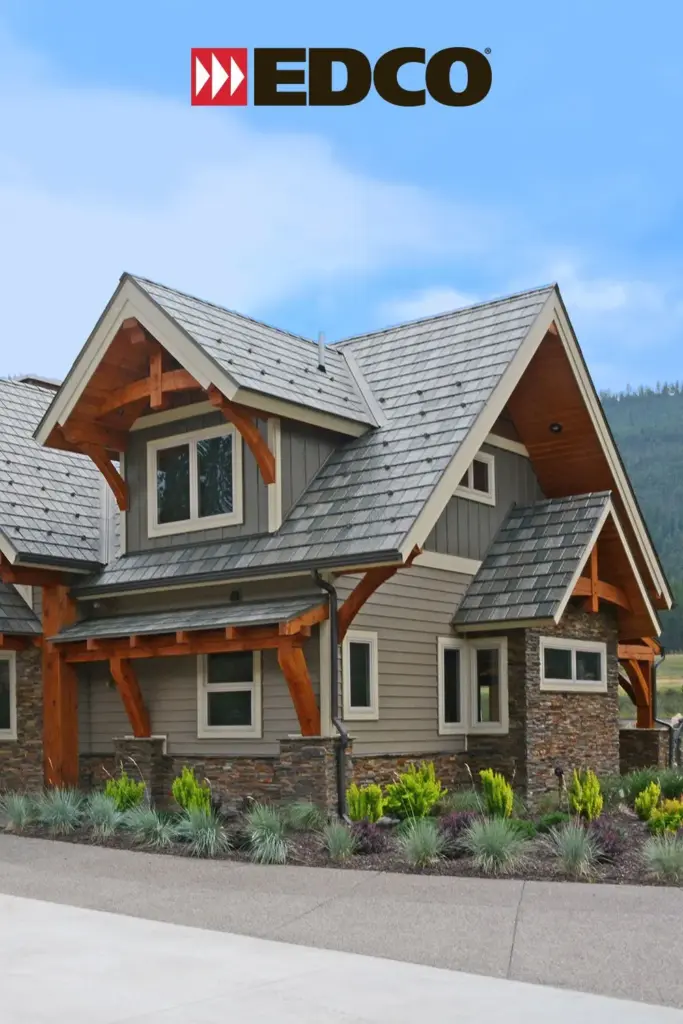
Metal roofs have become the benchmark for metal roof durability because they can withstand extreme temperatures, high winds, and heavy snowfall without warping or cracking. According to the Metal Roofing Alliance’s 2026 performance survey, 92 % of installations lasted 40 years or more, far outpacing asphalt shingles (average 20 years). Paired with metal siding, the system creates a continuous barrier that blocks moisture intrusion and minimizes thermal bridging, which translates into noticeable energy efficiency gains.
Weather Resistance
- High winds: Standing seam panels are rated up to 150 mph, meeting most coastal building codes.
- Fire safety: Both metal roofs and siding are non‑combustible, earning Class A fire ratings.
- Corrosion protection: Advanced Galvalume and aluminum‑zinc coatings resist rust in humid climates.
Energy Efficiency
Reflective finishes on metal surfaces can reflect up to 70 % of solar radiation, reducing cooling loads by 15–20 % in hot regions. The U.S. Department of Energy’s 2025 Building Energy Efficiency Study confirms that homes with metal exteriors see a 10 % drop in overall energy bills compared to conventional wood or vinyl cladding.
Table of Contents
- Why Choose Metal Roofing and Siding?
- Weather Resistance
- Energy Efficiency
- Cost Overview in 2026
- Comparative Pricing Snapshot (2026)
- Choosing the Right Metal Roofing System
- Siding Options That Complement Metal Roofing
- Core Materials
- Finish Styles
- Installation Process and Best Practices
- Common Mistakes to Avoid
- Case Study: Mid‑Size Home Retrofit in Denver, CO
- Frequently Asked Questions
- Is metal roofing noisy during rain?
- Can I install solar panels on a metal roof?
- How does metal siding handle expansion in extreme heat?
- What is the warranty typical for metal roofing and siding?
- Are there any environmental certifications?
- Integrating Smart Home Technology
Cost Overview in 2026
While the upfront installation cost of metal roofing and siding is higher than that of asphalt shingles or vinyl, the total cost of ownership (TCO) tells a different story. The 2026 Metal Construction Cost Index (MCCI) reports average material prices of $9.50 per square foot for standing‑seam roofing and $7.20 per square foot for insulated metal siding, with labor averaging $4.80 per square foot for a qualified crew.
When you factor in a 30‑year lifespan, reduced maintenance (roughly $150 per year versus $500 for wood siding), and energy savings, the net present value (NPV) often undercuts traditional systems by 12–18 %. For a typical 2,500‑sq‑ft home, total upfront expense ranges from $45,000 to $55,000, but projected savings over three decades can exceed $15,000.
Comparative Pricing Snapshot (2026)
| Exterior System | Material Cost /ft² | Labor Cost /ft² | Average Lifespan |
|---|---|---|---|
| Standing‑Seam Metal Roof | $9.50 | $4.80 | 40‑50 years |
| Insulated Metal Siding | $7.20 | $4.30 | 35‑45 years |
| Asphalt Shingles | $3.40 | $3.10 | 20‑25 years |
| Vinyl Siding | $4.60 | $3.90 | 20‑30 years |
For a comprehensive breakdown of roofing costs, the Roof Replacement Cost 2026 article offers actionable budgeting tips.
Choosing the Right Metal Roofing System
Selecting a system hinges on climate, architectural style, and budget. The most common profiles include:
- Standing seam: Ideal for modern designs and high‑wind zones.
- Metal shingles: Mimic traditional wood shakes while retaining metal’s durability.
- Corrugated panels: Cost‑effective for agricultural or industrial structures.
Coating technology is equally critical. Pre‑finished Kynar® 500 polyester coatings provide UV resistance for up to 30 years, while silicone‑based finishes excel in coastal salt‑air environments. Always verify that the coating is certified by the American Architectural Manufacturers Association (AAMA) for the specific climate zone.
Siding Options That Complement Metal Roofing
Metal siding is not a one‑size‑fits‑all product; it comes in a range of finishes and core materials that can be tailored to aesthetic and performance goals.
Core Materials
- Aluminum: Lightweight, excellent for high‑rise applications.
- Steel (galvanized or Galvalume): Stronger, suitable for high‑impact zones.
- Composite metal panels: Blend aluminum skins with a polymer core for added insulation.
Finish Styles
From smooth R‑panel to vertical board‑and‑batten, modern metal siding can emulate brick, stone, or wood textures without the associated maintenance. Integrated insulation (R‑value 13–20) further enhances the energy efficiency of the envelope.
Installation Process and Best Practices
Proper installation is the linchpin of performance. Below is a step‑by‑step guide recommended by the Metal Roofing Contractors Association (MRCA) in its 2026 Best Practices Manual.
- Site Assessment: Verify structural load capacity and confirm that roof pitch meets minimum requirements for the chosen metal panel.
- Underlayment Installation: Apply a synthetic breathable underlayment (e.g., Tyvek®) to manage moisture and improve air flow.
- Flashing and Edge Details: Use stainless‑steel flashings at roof valleys, chimneys, and wall intersections to prevent water infiltration.
- Panel Placement: Install panels from the eave upward, ensuring a minimum 1‑inch overlap for standing‑seam systems.
- Siding Attachment: Secure metal siding with self‑drilling screws equipped with neoprene washers to prevent corrosion.
- Inspection & Certification: Conduct a final wind‑uplift test and obtain a local building department sign‑off.
Common Mistakes to Avoid
- Skipping proper insulation: Uninsulated metal panels can lead to thermal bridging, negating energy savings.
- Improper fastener spacing: Over‑tightening can cause panel distortion; follow manufacturer‑specified torque values.
- Neglecting expansion gaps: Metal expands and contracts; insufficient gaps result in buckling.
- Choosing low‑grade coatings in harsh climates: This shortens lifespan and increases maintenance frequency.
Case Study: Mid‑Size Home Retrofit in Denver, CO
A 2,300‑sq‑ft ranch‑style home in Denver replaced its aging asphalt roof and vinyl siding with a standing‑seam steel roof and insulated aluminum siding. The project, completed in summer 2026, illustrates real‑world ROI.
- Initial Investment: $48,200 (materials + labor).
- Energy Savings: 18 % reduction in heating costs during winter, verified by utility bills from 2026‑2027.
- Maintenance Reduction: Zero roof repairs reported in the first 18 months, compared to three roof patch jobs under the previous system.
- Resale Impact: An independent appraisal placed the home’s market value $12,500 higher, attributing the increase largely to the metal exterior.
The homeowner consulted with a certified contractor discovered via Top 7 Strategies to Find the Best Roofing and Siding Contractors Near Me in 2026, ensuring the installation adhered to MRCA standards.
Frequently Asked Questions
Is metal roofing noisy during rain?
When installed over solid sheathing with proper insulation, metal roofs produce comparable sound levels to other roofing materials. Adding a resilient underlayment further reduces perceived noise.
Can I install solar panels on a metal roof?
Yes. Metal roofs provide an ideal mounting surface; many solar racking systems are designed to clamp directly onto standing‑seam panels without penetrating the roofing material, preserving the warranty.
How does metal siding handle expansion in extreme heat?
Manufacturers incorporate expansion joints every 12–15 feet. Properly installed, the panels expand and contract without buckling, even in temperatures exceeding 110 °F.
What is the warranty typical for metal roofing and siding?
Most reputable manufacturers offer 30‑year limited warranties covering coating fade, corrosion, and structural integrity, with some premium products extending to 50 years.
Are there any environmental certifications?
Many metal roofing products are made from ≥ 90 % recycled content and are fully recyclable at end‑of‑life, meeting LEED v4.1 credits for recycled content and regional material sourcing.
Integrating Smart Home Technology
While metal exteriors excel on their own, pairing them with modern smart devices can amplify savings. For instance, installing a programmable thermostat linked to a solar‑ready metal roof can further cut heating and cooling expenses. Explore cutting‑edge home gadgets in our Smart Gadgets That Instantly Make Homes Cleaner, Modern & Money‑Saving in 2026 guide.
In summary, metal roofing and siding deliver a compelling mix of durability, energy efficiency, and aesthetic flexibility. By understanding cost dynamics, selecting the right system, and working with certified installers, homeowners can secure a resilient envelope that pays dividends for decades.
For additional technical specifications, see the Metal roofing Wikipedia page and the Siding Wikipedia entry.