If you’re planning to install vinyl plank flooring over a concrete slab, you’ve probably realized that picking the right underlayment can make or break the project. Moisture from the concrete, sound transmission, and uneven subfloors are real headaches. Many homeowners end up with buckling planks or hollow sounds because they chose the wrong pad. That’s why finding the best underlayment for vinyl plank flooring on concrete is essential for a long‑lasting, quiet, and comfortable floor. This guide cuts through the marketing noise to help you choose based on your budget, room type, and installation method. Let’s start with what really matters when shopping for an underlayment.
What to Look for in an Underlayment for Vinyl Plank Flooring on Concrete
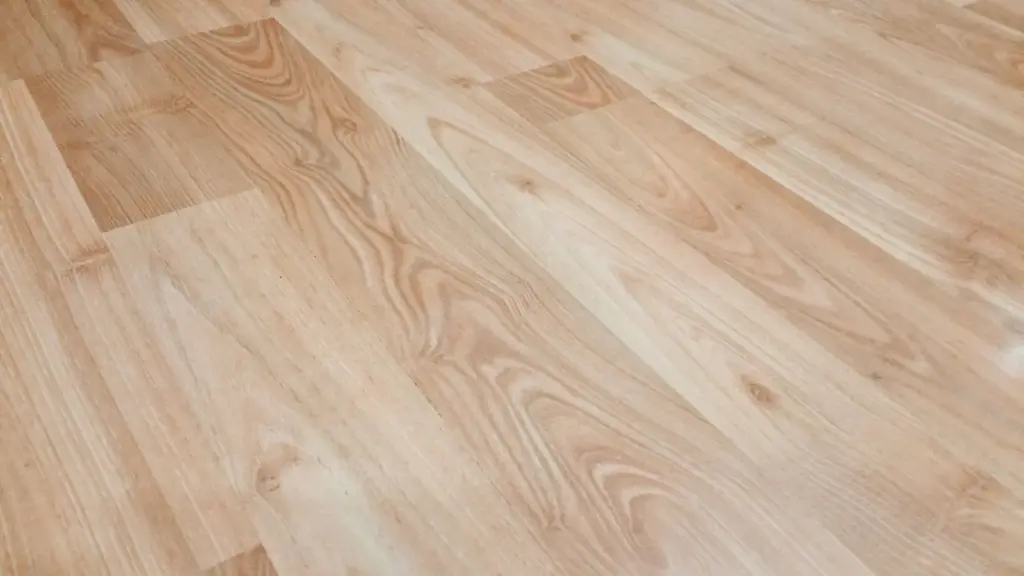
Concrete slabs are inherently cold, hard, and damp. A good underlayment acts as a moisture barrier, adds a little warmth, and reduces impact noise. Here are the key features you need to consider.
Moisture Protection
Concrete can release moisture vapor even when it looks dry. If you install vinyl directly on concrete without a vapor barrier, trapped moisture can cause mold, mildew, and plank failure. Many underlayments now include an integrated vapor barrier (usually a plastic film layer) or are made from closed‑cell foam that resists moisture. Always choose an underlayment with a moisture rating of at least 10 perm or higher — or better yet, one that’s specifically labeled for concrete slabs.
Table of Contents
- What to Look for in an Underlayment for Vinyl Plank Flooring on Concrete
- Moisture Protection
- Thickness and Density
- Sound Ratings (IIC and STC)
- Compatibility with the Locking System
- Ease of Installation
- Comparison of the Top Underlayments for Vinyl Plank Flooring on Concrete
- Top 6 Best Underlayment Options for Vinyl Plank Flooring on Concrete
- 1. Roberts R4400 – Best Overall
- 2. FloorMuffler Premium – Best for Soundproofing
- 3. TrafficMaster Pro – Best Budget Choice
- 4. MP Global QuietWalk – Best Premium Eco‑Friendly Choice
- 5. Steico Underlayment – Best for Uneven Concrete Subfloors
- 6. Dri‑Core Vinyl Grip – Best for Moisture‑Prone Basements
- How to Choose the Right Underlayment for Your Concrete Slab
- Step 1: Check Your Vinyl Plank Manufacturer’s Warranty
- Step 2: Perform a Moisture Test
- Step 3: Decide on Your Noise Priorities
- Step 4: Measure the Subfloor Flatness
- Step 5: Set Your Budget
- Frequently Asked Questions
- Can I use any underlayment under vinyl plank on concrete?
- Do I need a moisture barrier if my concrete is old and dry?
- What is the best underlayment for vinyl plank flooring on concrete for soundproofing?
- Is 6 mm cork underlayment too thick for floating vinyl plank?
- Can I put vinyl plank directly on concrete without underlayment?
- How do I install underlayment on concrete?
- What is the cheapest underlayment for vinyl plank on concrete?
- Final Recommendations
Thickness and Density
Thicker isn’t always better. Most vinyl plank manufacturers recommend an underlayment between 1.5 mm and 2.5 mm (about 6‑10 mil). Anything thicker can make the floor unstable, causing seams to open or planks to shift. On the other hand, a very thin pad offers little sound absorption. For concrete, a 2 mm closed‑cell foam or a 6 mm (1/4”) cork underlayment works well, provided the product is designed for vinyl and concrete.
Sound Ratings (IIC and STC)
Impact Insulation Class (IIC) measures how well the floor blocks footstep noise. Concrete transmits sound easily, so an underlayment with a high IIC (50+ is good, 60+ is excellent) will make upstairs rooms quieter. Many underlayments also have a Sound Transmission Class (STC) rating for airborne noise. If you live in a condo or apartment, check your building’s minimum IIC requirements — they often specify a minimum IIC of 55.
Compatibility with the Locking System
Some underlayments are “floating floor” friendly, meaning they allow the vinyl planks to move slightly during temperature changes without damaging the locking mechanism. Soft foam underlayments that compress too much can cause the planks to lift or gap. Stick to products that are specifically recommended for floating vinyl plank floors over concrete.
Ease of Installation
Roll‑out foam underlayments with adhesive strips or tape seams are the easiest to install. Some premium products come with a built‑in vapor barrier, so you don’t need to buy a separate polyethylene sheet. If you’re a DIYer, look for products that can be cut with a utility knife and don’t require glue.
Read also: Cheapest Place to Buy Vinyl Plank Flooring Online – 2026 Guide
Comparison of the Top Underlayments for Vinyl Plank Flooring on Concrete

To help you compare at a glance, here’s a simple table of the most popular options available in 2026:
| Product | Material | Thickness | Moisture Protection | IIC Sound Rating | Price per sq ft | Best For |
|---|---|---|---|---|---|---|
| Roberts R4400 | Closed‑cell foam with film | 2 mm (6 mil) | Integrated vapor barrier | 55 | $0.35 – $0.50 | Overall best combination of cost and performance |
| FloorMuffler Premium | Dual‑layer foam with rubber | 2.5 mm | Vapor barrier included | 65 | $0.80 – $1.00 | Best noise reduction for condos |
| TrafficMaster Pro | Recycled foam poly | 1.8 mm | No added barrier (use separate film) | 48 | $0.20 – $0.30 | Budget choice for low‑traffic rooms |
| MP Global QuietWalk | Natural cork with rubber | 6 mm (1/4”) | Built‑in moisture barrier | 62 | $0.90 – $1.20 | Premium eco‑friendly option |
| Steico Underlayment | Fiberboard composite | 3 mm | Needs separate vapor barrier | 57 | $0.60 – $0.80 | Best for uneven concrete subfloors |
| Dri‑Core Vinyl Grip | Closed‑cell foam with grip surface | 2 mm | Integrated barrier | 50 | $0.45 – $0.60 | Best for moisture‑prone basements |
Top 6 Best Underlayment Options for Vinyl Plank Flooring on Concrete
Below are our top picks, each evaluated for performance, cost, and real‑world feedback. Every product is suitable for concrete slabs with proper preparation.
1. Roberts R4400 – Best Overall
Overview: Roberts R4400 is a closed‑cell foam underlayment with a built‑in vapor barrier film. It’s one of the most popular choices among DIYers and pros alike. The 2 mm thickness meets almost every vinyl plank manufacturer’s warranty requirements, and its IIC rating of 55 is enough for most single‑family homes.
Features: Integrated moisture barrier (no separate film needed), foam film laminated to prevent tearing, easy‑cut with scissors or utility knife, and strips overlap 3 inches to seal seams.
Pricing: Around $0.35 to $0.50 per square foot. A 100 sq ft roll costs roughly $40. It’s widely available at home centers and online.
Advantages:
- Excellent moisture protection for concrete
- Very easy to install – just roll out and tape
- Meets most warranty thickness limits
- Good sound reduction for the price
Disadvantages:
- Not the quietest option for multi‑story buildings
- Can be slippery when unrolling on smooth concrete
Best For: Homeowners looking for a reliable, mid‑priced underlayment that works with all types of vinyl plank floors (click‑lock, glue‑down, loose lay).
User Experience: Customers on home improvement forums often praise the R4400 for its simplicity. Many say it drastically reduced concrete “coldness” and made the floor feel less hard underfoot. A common note is to buy a few extra rolls because it’s easy to overcut corners.
Expert Opinion: This underlayment is a safe bet. It balances cost, protection, and performance. For a typical living room or bedroom over concrete, you really don’t need anything pricier unless you have specific noise or moisture issues.
2. FloorMuffler Premium – Best for Soundproofing
Overview: FloorMuffler Premium uses a dual‑layer design: a dense foam base combined with a rubber‑like top layer. This combination delivers an impressive IIC of 65, making it one of the best underlayments for blocking footstep noise on concrete.
Features: 2.5 mm total thickness, built‑in vapor barrier, high density that prevents vinyl plank from “drumming,” and a textured surface that helps the floor stay in place.
Pricing: $0.80 to $1.00 per square foot. Typical roll covers 100 sq ft and costs around $90. It’s pricier but still cheaper than many dedicated acoustic mats.
Advantages:
- Exceptional IIC rating (65) – ideal for condos
- Very durable – resists compression over time
- Integrated vapor barrier eliminates extra step
Disadvantages:
- Higher upfront cost
- Thicker than some manufacturer limits – always check warranty
Best For: Condo owners, apartments, and any room where noise complaints from neighbors below could be an issue.
User Experience: Reviews highlight the noticeable drop in impact noise. One user said “footsteps sound like a whisper compared to our old floor.” A few noted that the material feels slightly rubbery and can be a bit harder to cut straight.
Expert Opinion: If your building association requires an IIC of 60+, this is the go‑to choice. It also adds a nice cushioning feel without compromising the integrity of the locking planks.
3. TrafficMaster Pro – Best Budget Choice
Overview: TrafficMaster Pro is a basic recycled foam underlayment sold at big‑box home improvement stores. It’s 1.8 mm thick and has no built‑in vapor barrier. You need to buy a separate 6‑mil polyethylene film for concrete. It’s the cheapest option that still meets minimum requirements.
Features: Lightweight foam, easy to cut, comes in 100 sq ft rolls. It offers a basic IIC rating of 48.
Pricing: $0.20 to $0.30 per square foot. A roll costs about $22. Add $10 for a roll of vapor barrier film.
Advantages:
- Very low cost
- Simple to install with separate vapor barrier
- Good for small areas or temporary floors
Disadvantages:
- No moisture protection alone – must use additional film
- Low sound insulation – not suitable for multi‑story
- Thin foam may show concrete irregularities
Best For: Rentals, sheds, or low‑traffic rooms where you want to save every dollar. Also works as an extra layer under a more expensive underlayment if you need more thickness (but watch warranty limits).
User Experience: Users say it’s fine for a spare bedroom but would avoid it for kitchens or basements. Some reported that the foam compressed unevenly under furniture legs.
Expert Opinion: You get what you pay for. This is a “just enough” solution. If you have a concrete slab in a dry climate and don’t care much about sound, it’ll work. But for long‑term durability, spend a bit more.
4. MP Global QuietWalk – Best Premium Eco‑Friendly Choice
Overview: QuietWalk is made from natural cork and recycled rubber, offering a sustainable alternative to synthetic foams. It’s 6 mm thick (1/4 inch) and comes with a built‑in vapor barrier layer. Despite the thickness, it’s designed for floating vinyl plank floors and won’t harm the locking system if installed correctly.
Features: Cork/rubber blend, moisture barrier integrated on one side, high IIC of 62, naturally antimicrobial, and excellent thermal insulation.
Pricing: $0.90 to $1.20 per square foot. A 100 sq ft roll costs approximately $110. It’s the most expensive option here.
Advantages:
- Eco‑friendly materials
- Great sound and thermal performance
- Moisture barrier included
- Smooths minor concrete imperfections
Disadvantages:
- Higher price point
- Thickness may exceed manufacturer limits for some plank brands – check specs
- Can be difficult to cut precisely (cork is dense)
Best For: Homeowners who prioritize sustainability, want the best thermal insulation, or need to correct uneven concrete subfloors without self‑leveling compound.
User Experience: Many users love the natural look and feel. They report that the floor feels warmer and quieter than with foam. A few noted that the cork can feel slightly bouncy under heavy appliances. Customer service is highly rated.
Expert Opinion: QuietWalk is a premium product that delivers on its promises. The cork layer adds a bit of “give” that makes standing for long periods more comfortable. Just be sure your vinyl plank manufacturer allows a 6‑mm underlayment.
5. Steico Underlayment – Best for Uneven Concrete Subfloors
Overview: Steico is a rigid fiberboard underlayment made from compressed wood fibers. It’s typically used under laminate or engineered wood, but it works with vinyl plank when paired with a separate vapor barrier. Its thickness (3 mm) helps level out small dips and bumps in concrete.
Features: High density fiberboard, impact sound reduction (IIC 57), breathable (needs vapor barrier for concrete), and can be cut with a utility knife.
Pricing: $0.60 to $0.80 per square foot. Boards come in 2’x4’ sheets. A 100 sq ft bundle costs about $70.
Advantages:
- Excellent for smoothing uneven concrete
- Good sound insulation
- Moisture resistant (but not vapor tight)
- Easy to cut and fit
Disadvantages:
- Requires a separate vapor barrier film
- More labor‑intensive to install than roll‑out foam
- Not suitable for very high moisture concrete (use moisture meter first)
Best For: Basements or garages where the concrete is slightly uneven but you don’t want to pour self‑leveling cement. Also good for anyone who prefers a firmer walking surface.
User Experience: DIYers often use Steico to fix low spots without the mess of leveling compound. They say it cuts easily and stays in place well. Some mention the need to tape seams carefully to avoid air gaps.
Expert Opinion: Fiberboard underlayments are an underutilized solution for vinyl plank over concrete. They add rigidity that prevents the floor from “drumming” and help distribute weight evenly. Just remember to use a proper 6‑mil poly vapor barrier.
6. Dri‑Core Vinyl Grip – Best for Moisture‑Prone Basements
Overview: Dri‑Core Vinyl Grip is a closed‑cell foam underlayment with a textured surface that helps keep planks from shifting. It includes an integrated vapor barrier and is specifically marketed for below‑grade concrete slabs.
Features: 2 mm thick foam, anti‑microbial coating, built‑in barrier, and a “grip” layer that reduces plank movement during installation.
Pricing: $0.45 to $0.60 per square foot. A 100 sq ft roll costs around $55.
Advantages:
- Excellent moisture protection for basements
- Grip surface makes installation easier
- Thin enough to stay within warranty limits
- Antimicrobial properties reduce mold risk
Disadvantages:
- Sound rating only IIC 50 – not ideal for noise‑sensitive areas
- Can be slightly sticky if unrolled in a warm room
Best For: Finished basements or any room where moisture is a known problem. Also works well for loose‑lay vinyl planks that need extra friction.
User Experience: Customers in flood‑prone areas appreciate the peace of mind. One reviewer said “after three years, no moisture issues at all.” The grip feature is a plus for DIYers who struggle with planks sliding during installation.
Expert Opinion: Dri‑Core is a solid choice for wet conditions. The grip layer is a nice innovation, but don’t expect it to replace a moisture barrier/radon system if your slab is really wet. Always do a moisture test first.
Read also: Best Glue Down Vinyl Plank Flooring for Bathrooms: 2026 Expert Guide
How to Choose the Right Underlayment for Your Concrete Slab
Now that you know the top products, let’s break down the decision process into clear steps.
Step 1: Check Your Vinyl Plank Manufacturer’s Warranty
Many brands (like Shaw, Mohawk, and Coretec) require the underlayment to be no thicker than 2 mm (sometimes 2.5 mm) for floating floors. Using a thicker pad can void the warranty. Always read the fine print or check the installation guide before buying.
Step 2: Perform a Moisture Test
Place a rubber mat or plastic sheet on the concrete for 24 to 48 hours. If you see moisture condensation, you need an underlayment with a high‑quality vapor barrier. For very damp concrete, consider products with perm ratings above 10 (most integrated barriers are fine) or add a separate 6‑mil poly film.
Step 3: Decide on Your Noise Priorities
If you live alone on the ground floor, a basic foam pad (IIC 48‑55) is fine. If you have downstairs neighbors or a home theater, aim for IIC 60+. FloorMuffler or QuietWalk are your best bets.
Step 4: Measure the Subfloor Flatness
Concrete often has small bumps and dips. Use a 6‑foot straightedge. If gaps are larger than 1/8 inch, you may need a thicker underlayment (like Steico) or self‑leveling compound. Thin foam won’t correct unevenness.
Step 5: Set Your Budget
Underlayment cost is a small fraction of the total flooring project (about 5‑10%). Don’t scrimp on the most critical layer. Spending an extra $50 now can save you from a failed floor later.
Read also: Best Luxury Vinyl Plank Flooring for Basement 2026
Frequently Asked Questions
Can I use any underlayment under vinyl plank on concrete?
Not all underlayments work. Avoid products over 2.5 mm thick (to keep warranty valid) and those without vapor barriers. Also skip felt or carpet pad – they trap moisture and cause mold. Stick to closed‑cell foams, cork/rubber blends, or fiberboard made for vinyl floors.
Do I need a moisture barrier if my concrete is old and dry?
Yes. Concrete may look dry but still release moisture vapor over time, especially during humid seasons. A vapor barrier (either built into the underlayment or a separate poly sheet) is cheap insurance. Skipping it risks warping and delamination down the road.
What is the best underlayment for vinyl plank flooring on concrete for soundproofing?
For maximum sound reduction, choose an underlayment with a high IIC rating. FloorMuffler Premium (IIC 65) and MP Global QuietWalk (IIC 62) are top choices. Both include a vapor barrier. For condos, also consider adding a separate acoustic mat underneath the underlayment.
Is 6 mm cork underlayment too thick for floating vinyl plank?
It can be – many manufacturers limit underlayment thickness to 2 mm to prevent the planks from separating. However, cork/rubber products like QuietWalk are designed specifically for floating floors and have a stable composition that doesn’t compress unevenly. Always check your plank brand’s warranty before using 6 mm cork.
Can I put vinyl plank directly on concrete without underlayment?
It’s not recommended. Without underlayment, the floor will feel cold, echo footsteps, and be more vulnerable to moisture. Concrete also has small abrasive particles that can scratch the back of the vinyl over time. A thin foam pad with a vapor barrier is a must for any concrete installation.
How do I install underlayment on concrete?
Start by sweeping the concrete clean. Roll out the foam underlayment (or lay fiberboard sheets) perpendicular to the direction of your planks. Overlap seams by 2‑3 inches and tape them with the manufacturer’s tape. If using a separate vapor barrier, lay that first, then the underlayment. Keep the material flat; don’t stretch it.
What is the cheapest underlayment for vinyl plank on concrete?
TrafficMaster Pro at $0.20‑$0.30 per sq ft is the cheapest foam. But you must add a separate vapor barrier (6‑mil poly film) for concrete, bringing total cost to around $0.30‑$0.40 per sq ft. Even cheaper is no underlayment, but that’s a false economy – you’ll likely have problems later.
Final Recommendations
Choosing the best underlayment for vinyl plank flooring on concrete doesn’t have to be overwhelming. Here’s a quick summary based on your situation:
- Best Overall: Roberts R4400 – It offers the perfect blend of affordability, moisture protection, and sound control for most homes.
- Best Value: Dri‑Core Vinyl Grip – Slightly more than budget foam but includes a vapor barrier and grip feature, making it a smart upgrade for basements.
- Best Premium Choice: MP Global QuietWalk – Eco‑friendly, excellent sound and thermal insulation, and it smooths minor concrete imperfections.
- Best Beginner Choice: Roberts R4400 – Simple roll‑and‑tape installation, widely available, and forgiving of small mistakes.
- Best for Advanced Users: Steico Fiberboard – Offers maximum control over subfloor flatness and sound performance, but requires careful vapor barrier integration.
Whatever you choose, always follow the installation instructions for both the underlayment and the vinyl plank. A little extra diligence now will give you a beautiful, quiet, and durable floor that lasts for years.
Last Updated: Not applicable – this is a static guide based on 2026 market data.
Referensi: Badan Pusat Statistik (BPS).
