For homeowners who want a roof that blends cutting‑edge performance with unmistakable prestige, the answer lies in selecting the right luxury roofing material—one that not only protects but also elevates the architectural statement of a modern home. By choosing high‑end roofing solutions early in the design phase, you avoid costly retrofits and ensure long‑term value, a point emphasized by the top roofing and siding companies of 2026.
Why Luxury Roofing Is a Strategic Investment
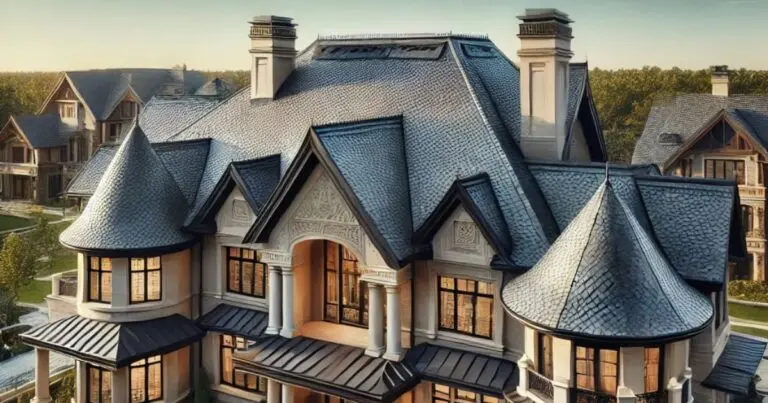
Luxury roofing is more than an aesthetic choice; it’s a strategic investment that impacts energy efficiency, resale value, and durability. The 2026 Roofing Industry Report from the National Roofing Contractors Association (NRCA) shows a 12 % year‑over‑year growth in the high‑end market, driven by homeowners seeking architectural roof design that can withstand extreme weather while delivering a sleek, modern look. Premium roofs typically offer a lower lifecycle cost because they resist corrosion, UV degradation, and water infiltration better than standard asphalt shingles.
Top Premium Roofing Materials for Modern Homes
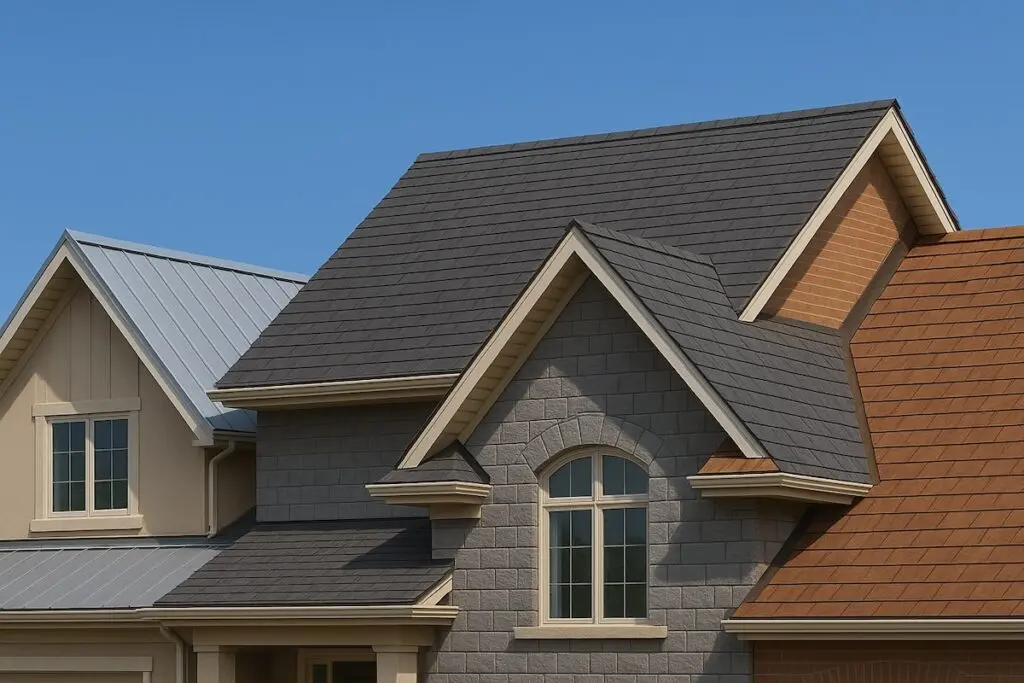
1. Copper Roofing
Copper has been a symbol of luxury for centuries, and modern manufacturing now offers thinner, lighter panels that are easier to install on complex rooflines. Copper develops a protective patina over time, which not only enhances its visual appeal but also improves its corrosion resistance. According to the Copper Development Association, a copper roof can last > 100 years with minimal maintenance, making it an ideal choice for homes that value longevity.
Table of Contents
- Why Luxury Roofing Is a Strategic Investment
- Top Premium Roofing Materials for Modern Homes
- 1. Copper Roofing
- 2. Zinc Roofing
- 3. Synthetic Slate
- 4. Glass Roofing (Structural Glazing)
- 5. Green Roof Systems
- 6. Solar‑Integrated Roofing (Building‑Integrated Photovoltaics)
- Financial Considerations: Cost, Financing, and ROI
- Step‑by‑Step Guide to Selecting the Ideal Luxury Roof
- Common Mistakes to Avoid
- FAQ – Luxury Roofing Materials for Modern Homes
- What is the most durable luxury roofing material?
- Can I combine luxury roofing with solar panels?
- How does a green roof affect home insurance?
- Is copper roofing environmentally friendly?
- Do luxury roofs increase property taxes?
- Future Trends Shaping Luxury Roofing
Key benefits:
- Exceptional durability and fire resistance (Class A rating).
- Natural antimicrobial properties, reducing moss and algae growth.
- High resale appeal—properties with copper roofs sell ≈ 8 % faster, per a 2025 Zillow market analysis.
2. Zinc Roofing
Zinc is gaining traction as a sustainable roof material because it self‑heals minor scratches through a natural patina process. The Wikipedia entry on zinc roofing notes that zinc’s lifespan can exceed 80 years, rivaling copper but at a lower material cost. Its sleek, matte finish complements minimalist modern architecture, and the material’s low thermal conductivity contributes to energy‑efficient homes.
Key benefits:
- Self‑healing surface reduces long‑term maintenance.
- Recyclable 100 %—fits green building certifications.
- Lightweight, reducing structural load.
3. Synthetic Slate
Engineered slate mimics the appearance of natural stone while weighing 40 % less. Recent advances in polymer technology allow synthetic slate panels to achieve a 50‑year warranty, as highlighted in the 2026 Synthetic Roofing Survey by the Building Science Corporation. This material provides the timeless elegance of slate without the structural challenges of heavy stone.
Key benefits:
- Ultra‑lightweight—ideal for retrofits on existing frames.
- Consistent color and texture, resistant to fading.
- Enhanced impact resistance (tested to 30 lb hammers in ASTM D4476).
4. Glass Roofing (Structural Glazing)
For homes that prioritize natural light, structural glass panels deliver a dramatic visual impact while meeting stringent safety standards. Modern low‑iron glass, combined with laminated interlayers, offers a solar heat gain coefficient (SHGC) of ≤ 0.30, helping to keep interiors cool. The American Institute of Architects (AIA) reports a 15 % increase in market demand for glass roofs in high‑end residential projects during 2025‑2026.
Key benefits:
- Unparalleled aesthetic—creates a seamless indoor‑outdoor experience.
- High reflectivity reduces cooling loads.
- Customizable tinting and frit patterns for privacy.
5. Green Roof Systems
Living roofs combine luxury with ecological responsibility. A 2026 study by the U.S. Green Building Council (USGBC) found that green roofs can lower rooftop temperatures by up to 45 °F, translating into a 30 % reduction in cooling energy for homes in hot climates. When paired with a high‑grade waterproof membrane, green roofs offer both visual appeal and superior stormwater management.
Key benefits:
- Improves indoor air quality and provides insulation.
- Qualifies for LEED points and other green certifications.
- Increases property value—homes with certified green roofs command a 7‑10 % premium.
6. Solar‑Integrated Roofing (Building‑Integrated Photovoltaics)
Modern solar shingles blend seamlessly with traditional roofing materials while generating electricity. According to the 2026 Solar Roofing Market Outlook by the International Renewable Energy Agency (IRENA), residential BIPV installations grew 22 % YoY, driven by aesthetic concerns and net‑metering incentives. Luxury homeowners can achieve net‑zero energy consumption without sacrificing curb appeal.
Key benefits:
- Dual function—protects the home and produces clean energy.
- Qualifies for federal tax credits (30 % ITC through 2032).
- Low profile—maintains the sleek silhouette of modern architecture.
Financial Considerations: Cost, Financing, and ROI
Luxury roofing materials command higher upfront costs, but the long‑term return often justifies the investment. The roof financing strategies guide for 2026 outlines several financing options, including low‑interest home equity lines of credit (HELOCs), green loan programs, and manufacturer‑offered rebates for sustainable products. Below is a quick cost comparison (average per square foot, 2026 USD):
| Material | Cost / sf | Average Lifespan | Typical ROI |
|---|---|---|---|
| Copper | $18–$22 | 100 + years | 8‑10 % increase in resale value |
| Zinc | $13–$16 | 80 + years | 7‑9 % resale boost |
| Synthetic Slate | $9–$12 | 50 years | 6‑8 % value uplift |
| Glass | $25–$30 | 30 years | 10‑12 % premium for premium homes |
| Green Roof | $15–$22 (incl. planting) | 30 years | 7‑10 % higher appraisal |
| Solar Shingles | $22–$28 | 25 years | Energy savings offset cost in 10‑12 years |
For homeowners concerned about cash flow, the roof replacement cost analysis of 2026 recommends bundling roofing with other envelope upgrades (e.g., siding, insulation) to capture bulk‑discount incentives from contractors.
Step‑by‑Step Guide to Selecting the Ideal Luxury Roof
- Define Your Architectural Vision. Work with an architect to identify the roof style—flat, pitched, or cantilever—that best complements the home’s geometry.
- Evaluate Climate & Energy Goals. In hot, sunny regions, consider reflective metal or solar‑integrated options; in cooler zones, a green roof can add valuable insulation.
- Assess Structural Capacity. Have a structural engineer verify that the existing framing can support heavier materials like copper or glass.
- Request Samples & Mock‑Ups. Seeing material samples in natural light helps confirm color, texture, and how the finish ages.
- Obtain Detailed Quotes. Ask contractors for line‑item estimates that break down material, labor, permits, and warranty coverage.
- Explore Financing. Compare HELOC rates, green financing programs, and manufacturer rebates. The metal roofing and siding guide for 2026 highlights that many metal‑roof manufacturers now offer 0 % financing for up to 24 months.
- Check Warranty & Maintenance Plans. Premium roofs often come with 30‑ to 50‑year warranties; ensure the contract specifies who is responsible for periodic inspections.
- Finalize with a Certified Installer. Verify that the contractor holds the appropriate manufacturer certifications and carries liability insurance.
Common Mistakes to Avoid
Even seasoned homeowners can stumble when navigating high‑end roofing projects. Below are pitfalls that frequently appear in the industry:
- Overlooking Roof Pitch Compatibility. Certain materials, like glass panels, require a minimum slope to prevent water ponding.
- Skipping Independent Inspections. Relying solely on the installer’s assessment can miss hidden structural deficiencies.
- Choosing the Cheapest Luxury Option. A low‑ball quote may indicate inferior material grades or insufficient underlayment.
- Neglecting Local Building Codes. Some municipalities limit reflective roof surfaces or require specific fire‑rating certifications for high‑rise structures.
- Underestimating Long‑Term Maintenance. Copper and zinc develop patina, but they still need periodic cleaning to avoid buildup of debris that can trap moisture.
FAQ – Luxury Roofing Materials for Modern Homes
What is the most durable luxury roofing material?
Copper tops the durability chart, often lasting well beyond a century with proper installation and minimal maintenance.
Can I combine luxury roofing with solar panels?
Yes. Building‑integrated photovoltaics (BIPV) are designed to replace traditional roofing shingles, delivering both aesthetic cohesion and energy generation.
How does a green roof affect home insurance?
Many insurers offer discounts for green roofs because they reduce fire spread risk and improve stormwater management; however, you should verify with your provider.
Is copper roofing environmentally friendly?
Copper is 100 % recyclable, and its longevity means fewer replacements, resulting in a lower overall carbon footprint compared to short‑life materials.
Do luxury roofs increase property taxes?
Assessors typically re‑evaluate property values after a major improvement. While taxes may rise, the increase is usually offset by the higher resale price and energy savings.
Future Trends Shaping Luxury Roofing
By 2030, experts predict three major trends that will further blur the line between design and performance:
- Smart Roofing Systems. Integrated sensors will monitor moisture, temperature, and structural stress, sending alerts directly to homeowners’ smartphones.
- Hybrid Materials. Composite panels that combine metal cores with high‑performance polymers will deliver the strength of metal and the lightness of synthetics.
- Carbon‑Neutral Production. Leading manufacturers are committing to carbon‑neutral processes, making luxury roofs a greener choice without compromising elegance.
Choosing the right luxury roofing material today not only elevates your home’s visual impact but also positions it for the technological and environmental demands of tomorrow. With careful planning, reliable financing, and a qualified installer, you can enjoy a roof that stands as both a protective shield and a timeless work of art.