When you need to replace or upgrade a roof and siding, the most immediate hurdle is often financing the project—not just the cost of materials but also labor, permits, and unexpected contingencies. In 2026, homeowners can tap a growing suite of financing tools, from low‑interest home equity lines of credit to specialized home improvement loans, that make large‑scale exterior renovations more affordable and predictable.
Why Dedicated Roof and Siding Financing Matters
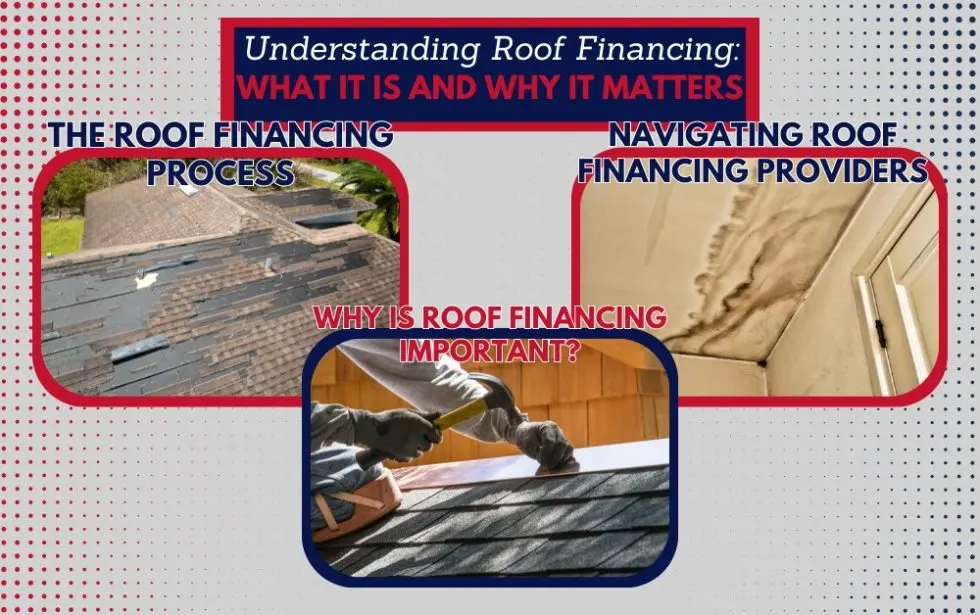
Exterior envelope upgrades protect a home’s structural integrity, improve energy efficiency, and boost resale value. According to the National Association of Home Builders (NAHB) 2026 market outlook, homes with upgraded roofing and siding sell for an average premium of 7.2% compared with comparable properties. However, the upfront capital outlay can range from $12,000 for basic vinyl siding to over $45,000 for high‑end metal roofing systems. Without a financing strategy, many homeowners either postpone essential work or resort to high‑cost credit cards, jeopardizing both their budget and the longevity of the home.
Core Financing Options in 2026
1. Home Equity Line of Credit (HELOC)
A HELOC remains the most flexible source for exterior renovations. Lenders typically offer variable rates as low as 3.75% APR, tied to the prime index. Because the credit line is secured by the property, borrowers can draw only what they need and pay interest only on the drawn amount. The Roof Replacement Cost 2026: Detailed Breakdown, Savings Strategies & Expert Tips article notes that a $30,000 HELOC can reduce the overall cost of a roof project by up to 12% when compared with unsecured personal loans.
Table of Contents
- Why Dedicated Roof and Siding Financing Matters
- Core Financing Options in 2026
- 1. Home Equity Line of Credit (HELOC)
- 2. Home Improvement Loans
- 3. Low‑Rate Roof Loans
- 4. Construction Loans
- Choosing the Right Financing Mix
- Real‑World Case Study: From Assessment to Financing
- Common Pitfalls and How to Avoid Them
- Over‑Leverage on Home Equity
- Ignoring Hidden Costs
- Choosing the Wrong Loan Term
- Future Trends Shaping Roof and Siding Financing
- Actionable Checklist for Homeowners
- Frequently Asked Questions
- Can I finance roof and siding repairs if I have a low credit score?
- Is it better to refinance my mortgage to cover exterior upgrades?
- Do insurance companies cover roof and siding financing?
- What documentation is required for a construction loan?
- How do I protect myself from contractor fraud?
- Conclusion: Financing as a Strategic Tool
2. Home Improvement Loans
These unsecured loans are offered by banks, credit unions, and online lenders. In 2026, average fixed rates sit between 5.5% and 7.2% for terms of 3–7 years. While the interest is higher than a HELOC, the approval process is often faster and does not require a property appraisal. Some lenders now bundle “energy‑efficient siding financing” with rebates from the Federal Energy Conservation Tax Credit, effectively lowering the net rate to the mid‑4% range.
3. Low‑Rate Roof Loans
Specialized loan products marketed by roofing contractors have emerged, providing fixed‑rate financing exclusively for roof and siding projects. These loans typically cap rates at 4.9% for up to five years and may include deferred payment options during the first 90 days of installation. Because the loan is tied to the contractor, the financing agreement often includes a performance guarantee, aligning repayment with project completion.
4. Construction Loans
For large‑scale remodels that involve structural changes—such as adding a new dormer or switching to metal roofing—a short‑term construction loan may be appropriate. These loans are drawn in stages, matching the disbursement schedule of the contractor. Interest is calculated only on the amount drawn, which can keep costs low during the build phase. A 2026 survey by the U.S. Small Business Administration (SBA) found that 28% of home renovation projects used construction loans, citing their flexibility for phased work.
Choosing the Right Financing Mix
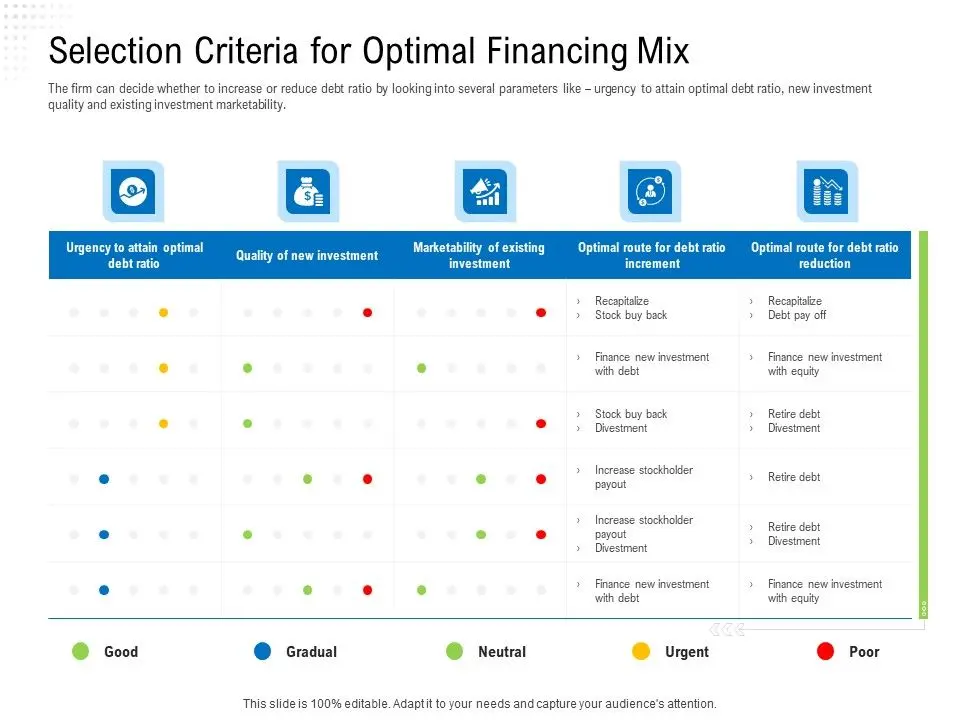
Because each financing product carries distinct trade‑offs, a blended approach often yields the best result. Below is a decision matrix that aligns common homeowner goals with the most suitable financing source.
- Minimize upfront cash outlay: Combine a HELOC (for 60% of costs) with a low‑rate roof loan (remaining 40%).
- Lock in a fixed rate: Opt for a home improvement loan or a specialized roof loan with a 4‑year fixed term.
- Leverage tax incentives: Pair an energy‑efficient siding loan with federal tax credits to effectively reduce the APR by 1–2%.
- Need rapid funding for storm damage: A construction loan or fast‑track home improvement loan can provide funds within 10 business days, as highlighted in the Storm Damage Roof Repair 2026: Expert Strategies to Restore & Strengthen Your Home guide.
Real‑World Case Study: From Assessment to Financing
John and Maya Patel, homeowners in Phoenix, AZ, discovered extensive water intrusion after a summer thunderstorm. Their roof required replacement, and the adjacent vinyl siding needed a full overhaul to meet the 2026 Energy Star standards. The Patels followed these steps:
- Cost Estimation: Using the Metal Roofing and Siding 2026: Complete Cost, Durability & Installation Guide, they projected a total expense of $38,500.
- Financing Strategy: They secured a $20,000 HELOC at 4.1% APR and a $12,000 home improvement loan at 5.9% fixed. The remaining $6,500 came from a contractor‑offered low‑rate roof loan with a 0% introductory period for the first three months.
- Implementation: The contractor drew on the construction loan as milestones were met, ensuring cash flow matched progress.
- Outcome: The Patels completed the project within 8 weeks, saved $2,300 in interest compared with a single personal loan, and qualified for a $1,200 federal tax credit for energy‑efficient siding.
Common Pitfalls and How to Avoid Them
Over‑Leverage on Home Equity
While HELOCs are attractive, borrowing more than 80% of your home’s equity can jeopardize refinancing options and increase the risk of foreclosure. Experts recommend keeping the loan-to-value (LTV) ratio below 65% for renovation financing.
Ignoring Hidden Costs
Permits, disposal fees, and unexpected structural repairs can add 10‑15% to the original estimate. Always request a contingency line in the loan agreement—usually 5% of the total project cost.
Choosing the Wrong Loan Term
Short‑term loans may have lower rates but can strain monthly cash flow, especially if the homeowner is still paying off a mortgage. A balanced approach—such as a 5‑year home improvement loan combined with a longer HELOC term—provides flexibility.
Future Trends Shaping Roof and Siding Financing
By the end of 2026, three trends are reshaping the financing landscape:
- Green Financing: Lenders are bundling “eco‑loan” packages that tie lower rates to the installation of ENERGY STAR‑rated roofing and siding, as reported by the U.S. Department of Energy.
- Digital Origination: AI‑driven underwriting platforms can approve a roof loan in under five minutes, reducing paperwork and accelerating project start dates.
- Community‑Based Financing: Some municipalities are launching revolving loan funds for exterior upgrades, offering rates as low as 2.9% to promote neighborhood resilience.
Actionable Checklist for Homeowners
Before you sign any financing agreement, run through this quick audit:
- Obtain three written estimates from licensed contractors.
- Calculate the total project cost, including a 10% contingency.
- Determine your preferred financing mix (HELOC, loan, contractor financing).
- Check your credit score; aim for 720+ to secure the best rates.
- Confirm whether any federal or state tax credits apply to your chosen materials.
- Read the loan’s prepayment penalties and closing costs.
- Secure a written performance guarantee from the contractor.
Frequently Asked Questions
Can I finance roof and siding repairs if I have a low credit score?
Yes. While rates may be higher, many credit unions and online lenders offer “bad‑credit home improvement loans” with APRs up to 9.9%. Additionally, some contractors provide in‑house financing that does not require a credit check but may carry a markup.
Is it better to refinance my mortgage to cover exterior upgrades?
Refinancing can lower your overall interest rate, especially if you can lock in a rate below current HELOC rates. However, refinancing extends the loan term and adds closing costs, which may offset the savings.
Do insurance companies cover roof and siding financing?
Insurance typically reimburses only for damage repairs, not for upgrades. Nonetheless, after a claim, some insurers partner with lenders to offer “claim‑linked financing” that lets you pay the deductible over time.
What documentation is required for a construction loan?
Lenders usually request a detailed project budget, contractor’s license, building permits, and a timeline of milestones. Having a professional cost estimate—such as those found in the Top 7 Strategies to Find the Best Roofing and Siding Contractors Near Me in 2026 guide—can expedite approval.
How do I protect myself from contractor fraud?
Verify the contractor’s licensing through your state’s licensing board, check the Better Business Bureau rating, and demand a lien waiver upon payment completion.
Conclusion: Financing as a Strategic Tool
Roof and siding financing in 2026 is no longer a one‑size‑fits‑all proposition. By evaluating the spectrum of options—HELOCs, home improvement loans, low‑rate roof loans, and construction financing—homeowners can align repayment structures with cash flow, capitalize on tax incentives, and protect the long‑term value of their property. The key is to treat financing as a strategic component of the renovation plan, not merely as a stopgap for cash shortages. With diligent planning and the right mix of funding sources, a sturdy, energy‑efficient envelope is within reach without compromising financial stability.