You’ve finally torn up that old vinyl flooring, and you’re ready to install something fresh—but what’s left on your concrete slab? A sticky, stubborn layer of adhesive that makes you wonder if you’ll ever get a clean surface. You’re not alone. Removing vinyl flooring adhesive from concrete is one of the most frustrating parts of a flooring project for homeowners and DIYers alike. The good news? It’s completely doable with the right approach and tools. This guide walks you through every safe, effective method to get that concrete bare and ready for new flooring—whether you plan to install luxury vinyl planks, tiles, or a different material entirely.
We’ll cover chemical, mechanical, and heat‑based techniques, compare their pros and cons, and help you pick the best one for your situation. By the end, you’ll know exactly how to remove vinyl flooring adhesive from concrete without damaging the slab or wasting time.
Why Removing Old Adhesive Matters
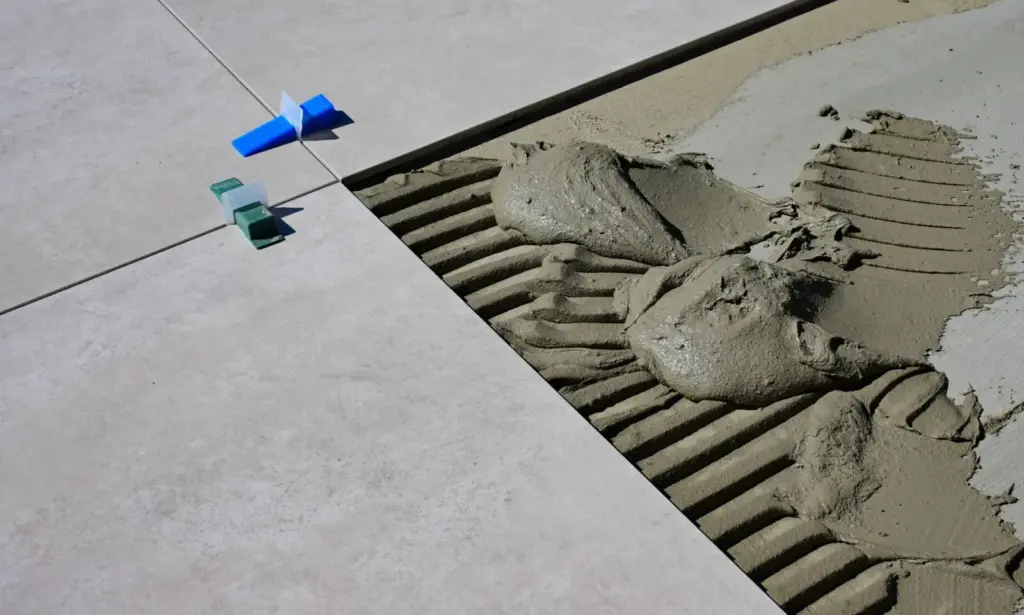
Leaving adhesive residue on concrete is a recipe for problems. New flooring won’t bond properly, bumps and lumps will show through, and moisture can get trapped, leading to mold or delamination. Whether you’re switching to glue‑down vinyl plank or floating click‑lock flooring, a smooth, clean subfloor is non‑negotiable. For example, if you plan to install glue‑down vinyl plank in a bathroom, any leftover adhesive will compromise the bond and shorten the floor’s life. Read also: Best Glue Down Vinyl Plank Flooring for Bathrooms.
Table of Contents
- Why Removing Old Adhesive Matters
- Methods for Removing Vinyl Flooring Adhesive from Concrete
- Top Methods for Removing Vinyl Flooring Adhesive – Ranked
- 1. Best Overall: Chemical Solvents (Methyl Ethyl Ketone or citrus‑based)
- 2. Best Value (Mechanical Scraper + Floor Stripper Machine)
- 3. Best Budget Choice: DIY Heat Gun + Putty Knife
- 4. Best for Professionals: Floor Grinder / Diamond Cup Wheel
- 5. Easiest to Use: Citrus Gel Stripper
- Detailed Guide: Step‑by‑Step Removal
- What to Look for When Choosing a Method
- Important Features of Removal Tools
- Pricing Factors
- Hidden Costs
- Tips for Choosing Wisely
- Frequently Asked Questions
- Can I use vinegar to remove vinyl adhesive from concrete?
- What is the fastest way to remove vinyl tile adhesive from concrete?
- Do I need to remove all adhesive before installing new flooring?
- Is it safe to use a heat gun on concrete?
- What solvent dissolves cutback adhesive?
- Can I pour acetone on concrete to remove adhesive?
- Should I hire a professional for adhesive removal?
- Summary: Our Top Recommendations
The concrete itself can also be damaged by aggressive removal methods. Using the wrong solvent or too much heat might etch or weaken the surface. That’s why understanding the type of adhesive you’re dealing with—water‑based, solvent‑based, or cutback—is the first step. Let’s dive into your options.
Methods for Removing Vinyl Flooring Adhesive from Concrete
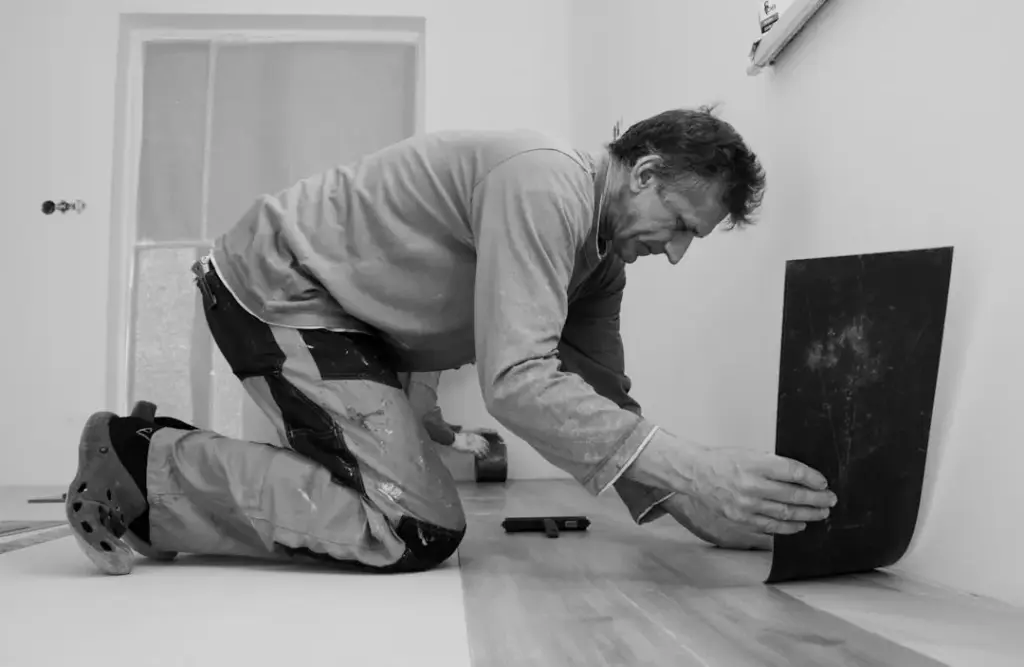
Here is a quick overview of the most common techniques. We’ll go deeper into each one later.
| Method | Cost | Difficulty | Time | Safety Level | Best For |
|---|---|---|---|---|---|
| Chemical solvents | $$ – $$$ | Easy to moderate | Moderate | Medium (fumes) | Stubborn, thick adhesive |
| Mechanical scraping | $ (tool rental or purchase) | Moderate to hard | Fast | High (dust, noise) | Large areas, thick layers |
| Heat gun or torch | $ (tool purchase) | Easy to moderate | Slow | Medium (fire risk) | Small areas, spot removal |
| Floor grinder / sander | $$$ (rental) | Hard | Fast | Low (heavy dust) | Large commercial spaces |
| Natural removers (vinegar, citrus) | $ | Easy | Very slow | High | Light residue, eco‑friendly preference |
Before choosing, consider your budget, skill level, and the amount of adhesive. Now let’s break down the best options in detail.
Top Methods for Removing Vinyl Flooring Adhesive – Ranked
We evaluated each method based on effectiveness, cost, ease of use, and real‑world feedback. Here are the top picks for different needs.
1. Best Overall: Chemical Solvents (Methyl Ethyl Ketone or citrus‑based)
Overview: Chemical solvents dissolve adhesive so it can be scraped or wiped away. MEK is powerful, but citrus‑based options are safer and odor‑free.
Features: Penetrates thick layers; works on most adhesive types; available in liquid or gel.
Pricing: $20–$50 per gallon; enough for about 200–300 sq. ft.
Advantages:
- Fast acting – softens glue in 15–30 minutes.
- Works on cutback asphalt adhesives.
- Less physical effort than scraping dry.
Disadvantages:
- Strong fumes (MEK requires ventilation and respirator).
- May damage concrete if left too long (etching).
- Some solvents are flammable.
Best For: Homeowners with moderate adhesive thickness who want a balance of speed and ease.
User Experience: Many DIYers report that chemical solvents saved them hours, especially on large rooms. The biggest complaint is the smell—citrus types are much more pleasant. Always test on a small area first.
Expert Opinion: For average residential jobs, a citrus‑based stripper is the safest bet. MEK is reserved for industrial adhesives that won’t budge otherwise. Follow manufacturer dwell times exactly.
2. Best Value (Mechanical Scraper + Floor Stripper Machine)
Overview: A long‑handled manual scraper or a powered floor stripper physically lifts adhesive from the concrete. No chemicals needed.
Features: Carbide blades; adjustable handle; optional vibrating or oscillating heads.
Pricing: Manual scraper $15–$30; powered stripper rental $50–$80 per day. Purchase $200–$400.
Advantages:
- No chemical fumes – safer for indoor use.
- Fast on thin adhesive.
- Works immediately after tear‑up.
Disadvantages:
- Hard on your back and knees (manual version).
- Can gouge concrete if blade angle is wrong.
- Less effective on thick or gummy adhesives.
Best For: People with good physical strength or those who prefer non‑chemical methods. Great for small rooms.
User Experience: Renters praise powered scrapers for large basements – they finish in hours, not days. Manual scraping is tedious but cheap.
Expert Opinion: For most homes, a manual scraper works fine after heating or chemical softening. If you have 500+ sq. ft., rent a powered stripper to save your body.
3. Best Budget Choice: DIY Heat Gun + Putty Knife
Overview: Use a heat gun to soften the adhesive, then scrape it off with a putty knife or scraper. Inexpensive but requires patience.
Features: Variable temperature control (600–1000°F), nozzle attachments. A long‑handle scraper helps.
Pricing: Heat gun $20–$40; putty knife $5–$10.
Advantages:
- Cheapest method after tools.
- No chemicals – safe for families.
- Works on small areas like closets.
Disadvantages:
- Very slow for large rooms.
- May scorch concrete if held too long.
- Fire hazard near dust or flammable materials.
Best For: Spot removal, small bathrooms, or areas where chemicals can’t be used.
User Experience: DIYers say it’s effective for adhesive blobs left after scraping, but not for full rooms. You’ll need to work in small sections.
Expert Opinion: Heat is a great supplement to other methods. Never use a torch indoors – a heat gun with temperature control is safer. Keep a fire extinguisher nearby.
4. Best for Professionals: Floor Grinder / Diamond Cup Wheel
Overview: A concrete grinder with a diamond wheel removes adhesive and levels the slab in one pass. This is the fastest method for large areas.
Features: Walk‑behind or hand‑held grinder; water attachment reduces dust; different grit discs.
Pricing: Rental $100–$150 per day; purchase $500+. Disposal of slurry/ dust may cost extra.
Advantages:
- Fastest – can do 500 sq. ft. per hour.
- Leaves a smooth, porous surface perfect for new glue‑down flooring.
- Removes adhesives and coatings completely.
Disadvantages:
- Expensive rental and heavy equipment.
- Generates dust (or slurry with water – must collect).
- Requires experience to avoid gouging.
Best For: Large basements, commercial renovations, or when adhesive is mixed with old mastic.
User Experience: Contractors swear by grinders for speed. DIYers who rent often struggle with dust control unless they use a vacuum shroud. Watch for silica dust – use proper PPE.
Expert Opinion: If you’re installing luxury vinyl tile or hardwood, a ground concrete slab provides the best bond. However, this method is overkill for a small laundry room.
5. Easiest to Use: Citrus Gel Stripper
Overview: A non‑toxic, biodegradable gel that softens adhesive without harsh fumes. Apply, wait, then scrape.
Features: Gel consistency clings to vertical surfaces, low odor, water‑rinsable.
Pricing: $25–$45 per gallon; covers about 100–150 sq. ft.
Advantages:
- No harsh chemicals – safe for indoor use.
- Easy application with a paintbrush or roller.
- Works on water‑based and some solvent adhesives.
Disadvantages:
- Slower dwell time (up to 1 hour).
- May not dissolve very old, gummy cutback adhesives.
- Need to neutralize or rinse residue before new flooring.
Best For: Homeowners who want the safest, easiest option for smaller jobs.
User Experience: Many reviews call citrus gels “a lifesaver” for removing vinyl glue from concrete. They love the lack of fumes. Some say they needed two applications for stubborn spots.
Expert Opinion: Citrus‑based strippers are an excellent first choice for DIYers. They’re effective enough for most home projects and reduce health risks significantly.
Detailed Guide: Step‑by‑Step Removal
Now that you know which method fits your situation, here is a practical guide to get the job done safely and effectively.
What to Look for When Choosing a Method
- Type of adhesive – Water‑based adhesive softens with water; solvent‑based needs chemical strippers; cutback (black tar‑like) often requires heavy scraping or grinding.
- Size of area – For a 10×10 room, heat gun and scraper is fine. For a full basement, rent a machine.
- Budget – Chemical strippers and manual tools are cheap; grinders and powered scrapers cost more.
- Safety concerns – If working indoors with poor ventilation, avoid strong solvents or use a respirator.
- New flooring plans – Some methods leave a smoother surface than others. For glue‑down vinyl, you need a clean, porous surface. For floating floors, slight residue may be acceptable if it’s flat.
Important Features of Removal Tools
- Scraper blade – Look for carbide or replaceable blades. A 4‑inch putty knife works for small areas; a 12‑inch floor scraper covers more ground.
- Heat gun – Choose one with variable temperature (600–1000°F) and safety auto‑shutoff.
- Chemical stripper – Check if it’s “low VOC” or “green” for indoor use. Gel types are easier to control.
- Grinder – A variable‑speed grinder with a dust shroud and vacuum attachment is ideal. For wet grinding, use a water mist system.
Pricing Factors
Costs vary widely. DIY chemical methods can stay under $100 for a small room. Renting a floor grinder might cost $150 plus consumables. If you hire a pro, expect $1.50–$3.00 per sq. ft. for removal. Read also: Cost to Install Vinyl Plank Flooring Per Square Foot – that guide includes removal cost estimates for context.
Hidden Costs
- Disposal of residue and old adhesive (some landfills charge extra for construction waste).
- Re‑priming concrete if adhesive was very stubborn or you used water‑based removers.
- Protective gear (respirator, goggles, gloves) – not expensive but essential.
- Cleaning supplies (rags, buckets, neutralizer).
Tips for Choosing Wisely
- Always test a small inconspicuous area first. Apply your chosen method and wait 24 hours to see if concrete is damaged.
- If adhesive is already peeling, start with mechanical scraping before chemicals.
- Work in ventilated areas – open windows, use fans.
- Never mix chemicals – stick to one product at a time.
- After removal, wash the concrete with a degreaser or trisodium phosphate (TSP) to remove any oily residue. Rinse thoroughly and let dry.
Frequently Asked Questions
Can I use vinegar to remove vinyl adhesive from concrete?
Vinegar is mildly acidic and can soften some water‑based adhesives, but it’s not effective on solvent‑based types. It works best on very thin layers. Soak a cloth in vinegar, lay it on the adhesive for 30 minutes, then scrape. For tough jobs, you’ll need a stronger solution.
What is the fastest way to remove vinyl tile adhesive from concrete?
A floor grinder with a diamond cup wheel is the fastest method, removing adhesive and leveling the slab in one pass. It can cover 500 sq. ft. per hour. However, it’s expensive to rent and generates dust. For a chemical speed option, use a powerful stripper like MEK, but be cautious with fumes.
Do I need to remove all adhesive before installing new flooring?
It depends on the new flooring. Floating vinyl planks require a flat surface – slight residue (if smooth) can be left. Glue‑down vinyl or tile needs a bare, clean concrete for adhesion to last. Carpet can go over very thin residue, but it may telegraph bumps. Always check the installation instructions.
Is it safe to use a heat gun on concrete?
Yes, if you use it correctly. Keep the heat gun moving to avoid scorching the concrete. Do not use a propane torch – it can create hot spots that weaken the slab or cause fire. Wear gloves and work in small sections. Never leave a hot heat gun unattended.
What solvent dissolves cutback adhesive?
Cutback adhesive (black, tar‑like) is petroleum‑based. MEK (methyl ethyl ketone) or xylene‑based solvents work well. Citrus‑based strippers may also break it down with multiple applications. Wear a respirator and gloves – these are potent chemicals. Always test first.
Can I pour acetone on concrete to remove adhesive?
Acetone is a strong solvent that can dissolve many adhesives quickly, but it evaporates fast and is highly flammable. Use it only in well‑ventilated areas with no sparks or flames. Pour a small amount, let it sit for a few minutes, then scrape. Acetone may also stain or etch concrete if left too long.
Should I hire a professional for adhesive removal?
If you have a large area (over 500 sq. ft.), very thick or toxic adhesive, no experience, or physical limitations, hiring a pro is wise. Professionals use industrial machines and know how to handle hazardous waste. For a small bathroom or closet, DIY is perfectly fine.
Summary: Our Top Recommendations
After evaluating all methods, here’s our verdict:
- Best Overall: Chemical solvents (citrus‑based gel) – effective, balanced cost, widely available.
- Best Value: Manual scraper + chemical softener – cheap and effective for small to medium rooms.
- Best Premium Option: Floor grinder rental – fastest, leaves perfect surface for new flooring, worth the cost for large projects.
- Best Beginner Choice: Citrus gel stripper + putty knife – safe, easy, no fumes.
- Best for Advanced Users: Floor grinder or powered scraper – requires experience but delivers professional results.
Remember, the key to success is patience and proper preparation. Whichever method you choose for how to remove vinyl flooring adhesive from concrete, take your time and follow safety guidelines. Your new floor will thank you for it.
If you need to understand the best underlayment for your next concrete floor project, check this guide: Read also: Best Underlayment for Vinyl Plank Flooring on Concrete. And if you’re debating between materials, see how luxury vinyl compares to hardwood in resale value: Read also: Luxury Vinyl Tile vs Hardwood Flooring Resale Value Guide.
Good luck with your project, and remember – a clean concrete surface is the foundation of a flawless floor.
Referensi: Badan Pusat Statistik (BPS).
